
Walked out from Seodaemun Prison History Museum, where we'd a glimpse of the darker side during the Japanese colonialism in Korea. In order to gain its own independence, a lot of independence activists and pro-democracy activists were imprisoned, brutally tortured, and many were killed after suffering inside this prison.
.JPG "Independence Park (서대문독립공원) outside Dongnimmun Station")
Independence Park (서대문독립공원) outside Dongnimmun Station.
Apart from red bricks Seodaemun Prison, a range of historic monuments and buildings are also located at this historical site:
1. Yeongeunmun (영은문)
During Joseon Dynasty, this place is known as Yeongeun. It's where Qing Dynasty envoys were welcomed by the King on their annually visit to collect tribute on behalf of the Chinese Emperor.

Two pillars remnants of Yeongeunmun (영은문)
in front of Dongnimmun Independence Gate.
2. Dongnimmun Independence Gate (독립문)
The Independence Club raised funds across the country
for constructing Dongnimmun Gate. This Western-style monument was built symbolizes the ending of vassalage to China.
.jpg "Dongnimmun (독립문) was built to replace Yeongeunmun Gate.")
Dongnimmun was built to replace Yeongeunmun Gate.
.jpg "Dongnimmun Independence Gate is designated as Historical Site No. 32.")
Dongnimmun Independence Gate is designated as Historical Site No. 32.
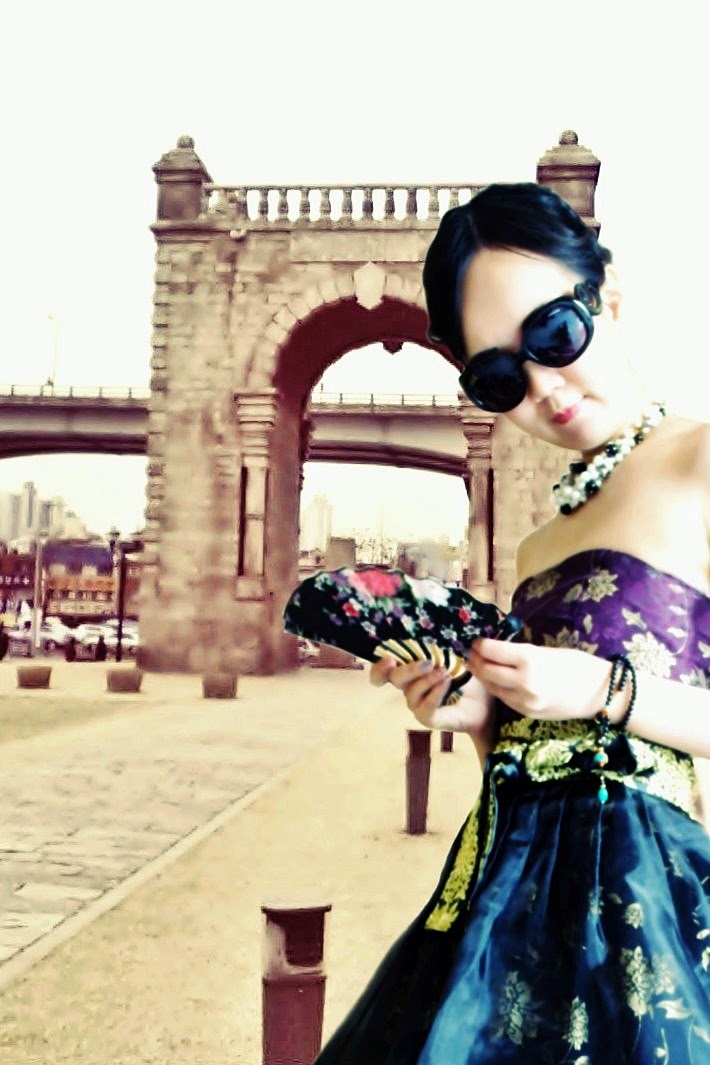.jpg "Dongnimmun was modeled the famous 'Arc de Triomphe' in Paris.")
Dongnimmun was modeled the famous 'Arc de Triomphe' in Paris.
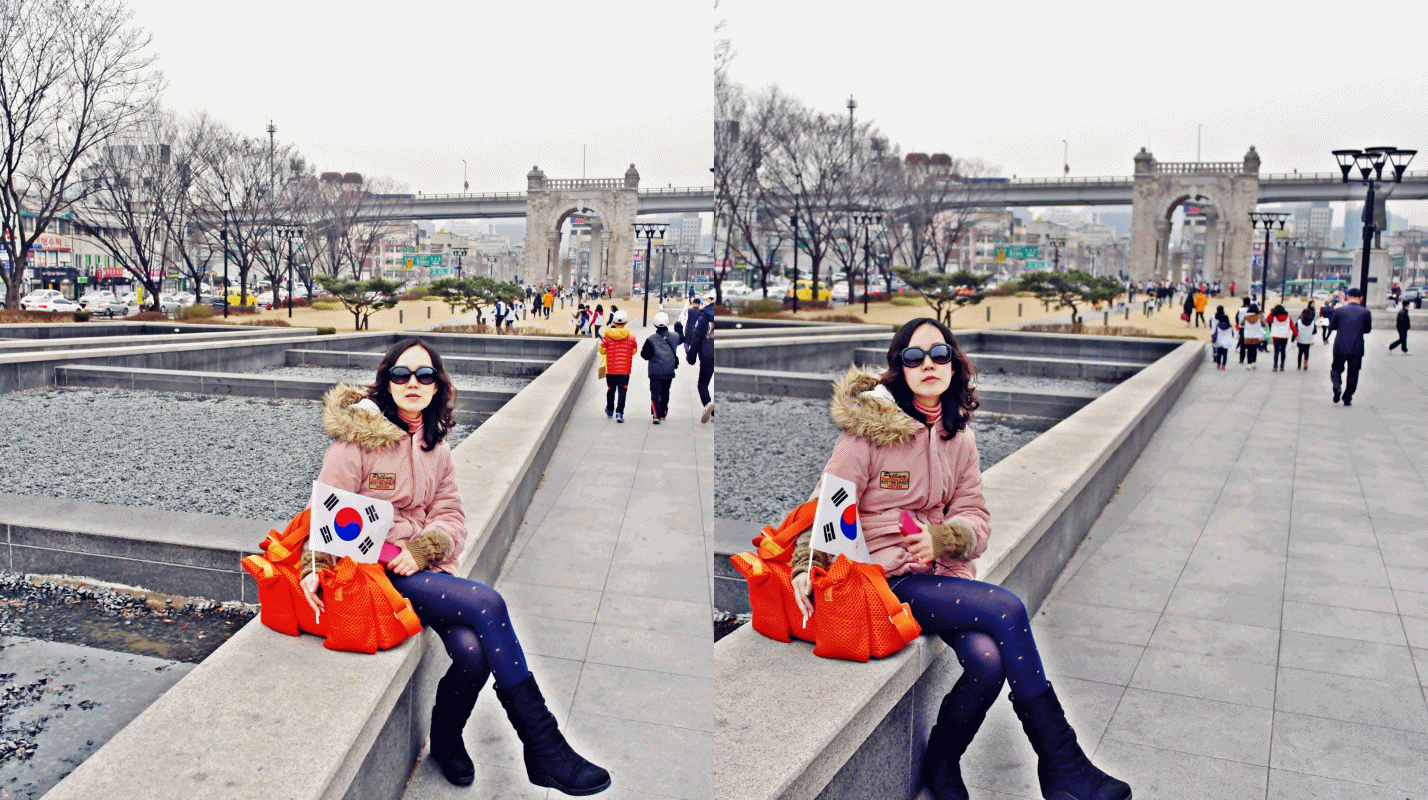
On the
top it is written ‘Dongnimmun’ in Korean with the national flag
craved on
each side. On the inner-left side there are stone stairs leading to the
attic.

Dongnimmun is highlighting the entrance to Seodaemun
Independence Park with modern squarish water features.
3. Statue of Dr. Seo Jaepil (서재필).
You'll be greeted by statue of Korean independence activist Seo Jaepil standing at this Independence Park around Dongnimmun Gate. He's the founder of Independent Newspaper (독립신문), the first Korean newspaper in Hangul, breaking with the tradition of publishing in Chinese.
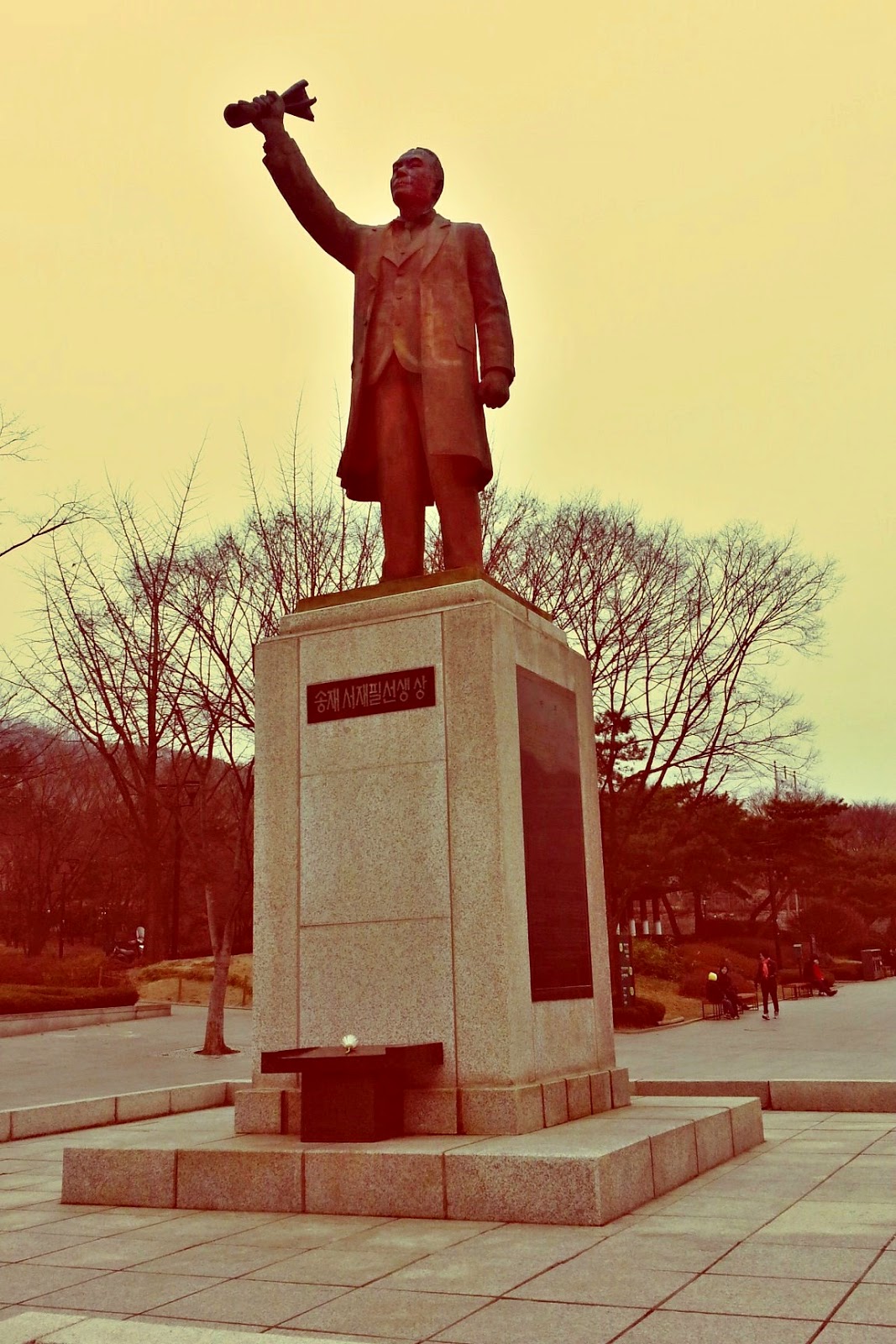.jpg "Dr. Seo Jaepil (서재필) holding Independent newspapers.")
Dr. Seo Jaepil holding Independent newspapers.
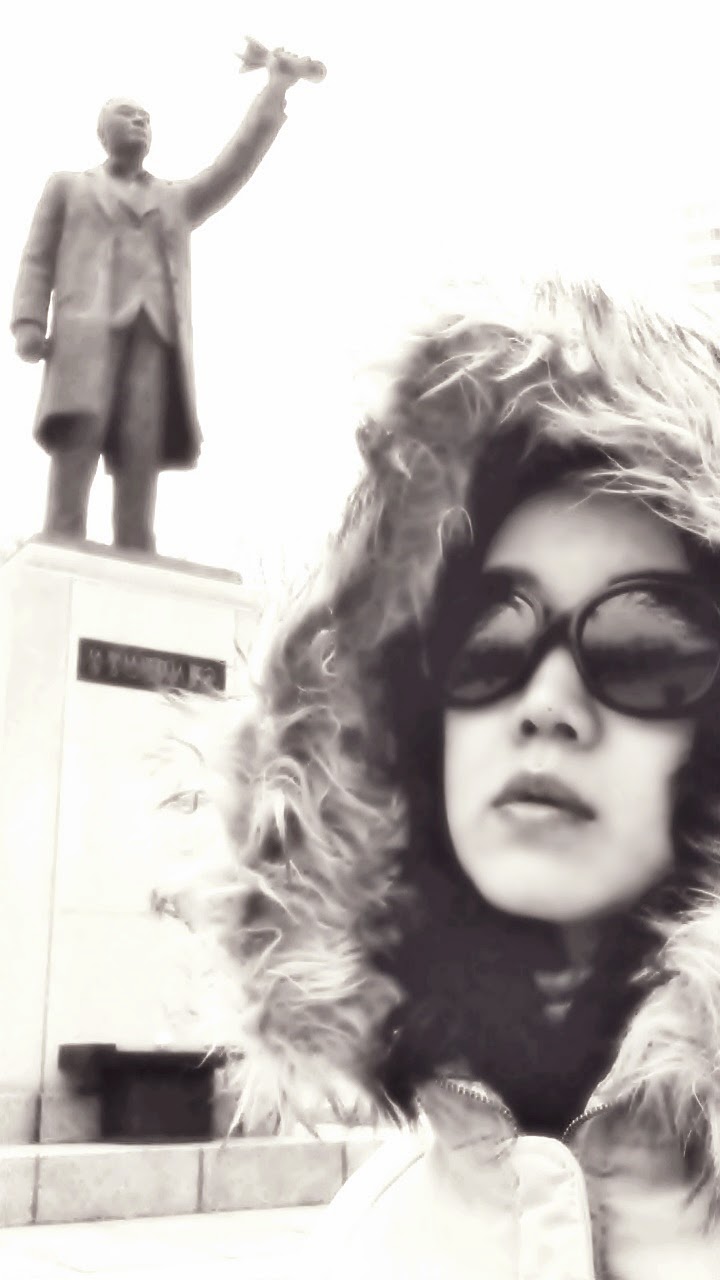.jpg "Seo Jaepil (서재필) the Founder of Independence Club (독립협회), he made great contributions to uplift people's spirit of independence to fight for Korean independence")
As the Founder of Independence Club (독립협회),
he made great contributions to uplift people's spirit of
independence to fight for Korean independence and
support political reformation to promote civil rights.
4. Declaration of Independence Monument

At the opposite side of Seo Jaepil's statue is Declaration of Independence Monument.
.JPG "Declaration of Independence Monument at Seodaemun Independence Park")
It would be best historical sites for educational for all the youths
in other countries to learn about the
unyielding
patriotism that our forefathers have shown us.
5. Independence Hall (독립관)
This Dongnipgwan Independence Hall was originally called Mohwagwan. The original building which was built in 1407 and used as Chinese envoys guesthouse.
Independence Club renovated this structure
after the reform of 1894 (Gabo Gyeongjang). It's renamed to Independence Hall by Seo Jaepil and used it as association hall for their meetings and office works.
.JPG "Independence Hall (독립관)")
Independence Hall was a symbol of Korea's
spirit of anti-foreign
encroachment and national independence toward the
end of the Joseon period.
The present building was
built by the Seoul City Government after demolished by Japanese. The construction was based on the original one-story building in a
traditional Hanok style,but with the
addition of an underground floor.
.JPG "Memorial tablets of Koreans who gave their lives fighting for March Fist Independence Movement were enshrined at Independence Hall (독립관)")
Memorial tablets of Koreans who gave
their lives fighting for
March Fist Independence Movement were enshrined at the underground floor.
.jpg "Seodaemun Independence Park is easily accessed from Dongnimmun Station (Line 3) Exit 4 or 5.")
Seodaemun Independence Park is easily accessed from
Dongnimmun Station (Line 3) Exit 4 or 5.
Related Posts:

.JPG "Seodaemun Independence Park")

a.JPG "I got this Korean Flag Taedukgi from Suwon Hwaseong Museum.")
.jpg "eodaemun prison was built in 1908, is a symbol of Japanese cruelty")
.jpg "Seodaemun Prison History Museum (서대문형무소역사관)")
.jpg "Seodaemun Prison History Hall was built in remembrance of Seodaemun Prison")
.JPG "Seodaemun Prison - A Place of Reverence")
.JPG "It's built to house 500 prisoners, up to 3500 were packed inside during anti-Japanese protest")
.jpg "Seodaemun Prison - A Place of Experience")
.jpg "One of the martyrs on memorial board inside Seodaemun prison wall.")


.JPG "The Square Pond at Seodaemun Prison")
.jpg "Excrement holes in Solitary Confinement at Seodaemun Prison")


